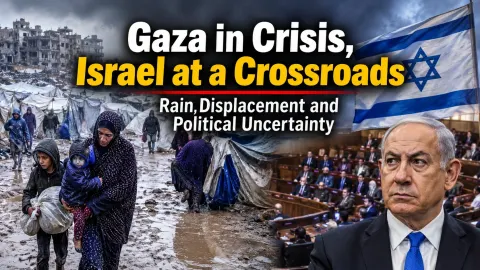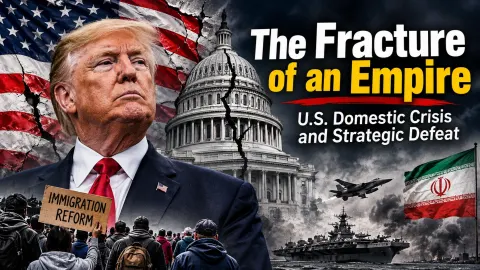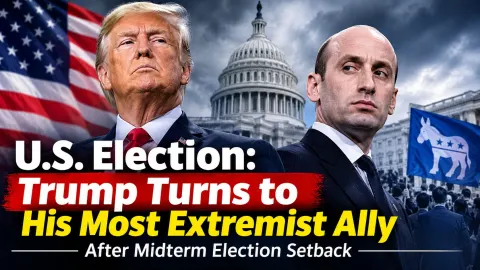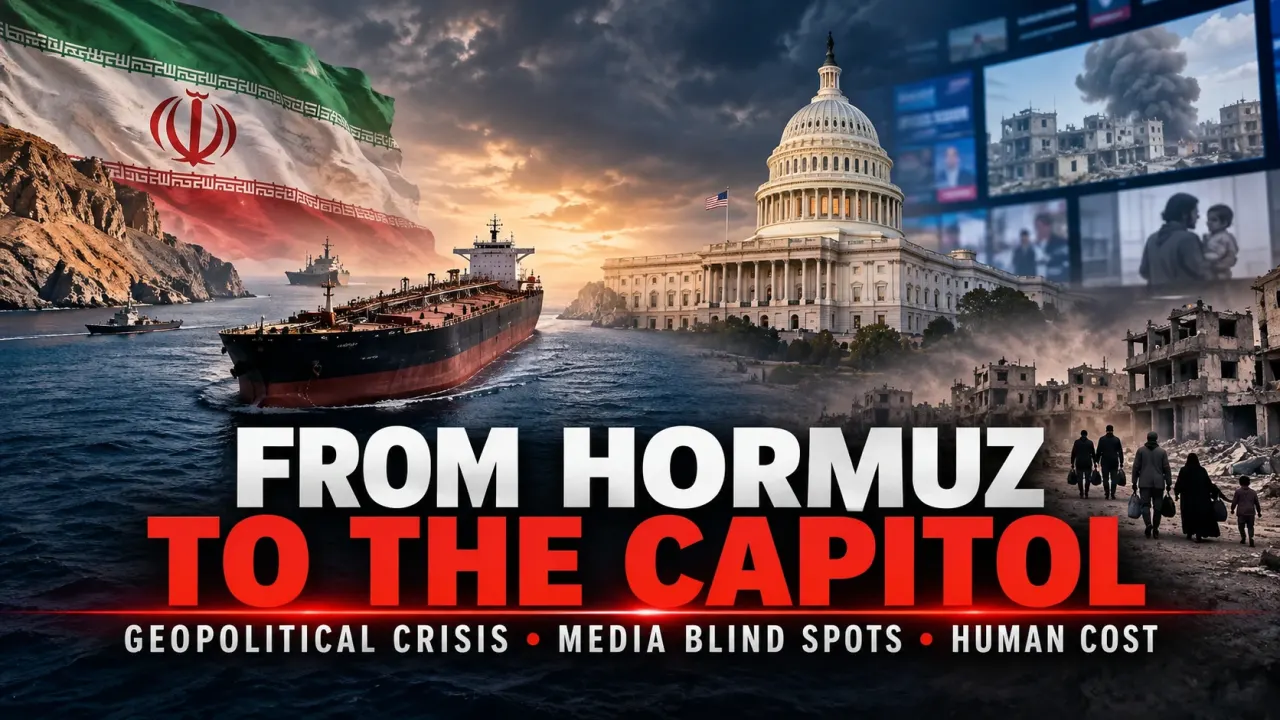
The international geopolitical landscape is going through one of its most turbulent and fragile periods. Tensions in West Asia, exacerbated by the ongoing genocide in the Gaza Strip and clashes in strategic locations such as the Strait of Hormuz, are no longer merely regional skirmishes; they have evolved into a global threat.
Against this backdrop of extreme volatility, the determined struggle of the Axis of Resistance has opened deep cracks at the very heart of the political structures of Western powers themselves.
However, behind the major headlines that measure the tensions between global powers and analyze the rhetoric of confrontation, there lies an operation that is as systematic as it is pernicious: a deliberate attempt to cast a veil of invisibility over ongoing atrocities, including the genocide of the Palestinian people, aggression against Lebanon and Syria, and persistent threats against the Islamic Republic of Iran.
Dominant media and diplomatic coverage often acts as a smokescreen, reducing crimes against humanity to mere footnotes in comparison with speculation about oil prices or the security of Western military bases.
On the one hand, Iran has effectively hardened both its defensive posture and its rhetoric. During the commemoration of National Aerospace Industry Day, an event honoring Hasan Tehrani Moghaddam, the architect of Iran’s ballistic missile program, the country’s political and military leadership issued unequivocal warnings.
Mohsen Rezaei, Secretary of the Supreme National Security Council, made it clear that any new aggression by the United States would automatically turn all allied military bases into legitimate targets, from West Asia to European territory.
A similar position was outlined by Ahmad Vahidi, Commander-in-Chief of the Islamic Revolutionary Guard Corps (IRGC), who maintained that neither economic sanctions nor military encirclement would weaken Iran’s defensive capabilities.
Nevertheless, tensions have gone beyond rhetoric and materialized in extremely serious operational incidents. The incident involving two supertankers carrying four million barrels of oil, which suffered explosions in the Strait of Hormuz after disregarding maritime traffic warnings and attempting to navigate an unauthorized route, illustrates the extreme dangers facing the world’s commercial arteries as they seek to circumvent Iran’s sovereign measures.
Iranian authorities, including Foreign Minister Seyed Abbas Araghchi and spokesperson Esmail Baghaei, argue that the West applies a double standard: while war crimes and crimes against humanity are concealed and acts of terrorism are perpetrated against the Iranian nation, a disinformation machinery is simultaneously being built to criminalize resistance and undermine the sovereignty of regional states.
The truly tragic aspect of this situation lies in how the geopolitical rivalry between superpowers and their mutual deterrence strategies serve as the perfect pretext for making the structural suffering of entire peoples invisible.
By systematically covering up state crimes committed in Gaza, Beirut, and Damascus, this process of concealment reflects an information-suffocation strategy in which the suffering of millions of people is stripped of its humanitarian and legal urgency.
The victims of these direct acts of aggression are relegated to the category of mere “collateral damage” in a much larger conflict, when in reality they constitute the moral and historical epicenter of the entire crisis. In this context, the deliberate erasure of their suffering operates as the principal instrument of imperial impunity in today’s geopolitical landscape.
What makes this critical moment particularly significant is the emergence of cracks within the very foundations of the hegemonic and arrogant powers. Criticism of the war strategy pursued by the imperial-Zionist alliance is no longer confined to West Asia; it is now resonating forcefully within the borders of Western countries themselves.
The administration of a weakened Donald Trump is facing an increasingly hostile and fragmented domestic front. Former security officials, such as Joe Kent, former Director of the National Counterterrorism Center, have spoken out, demanding an immediate cessation of hostilities and a profound purge of the neoconservative factions embedded within the government apparatus, whom they hold responsible for sabotaging the genuine national security interests of the United States.
The divisions are also multiplying in the corridors of the Capitol. In the House of Representatives, Democratic Congressman Glenn Ivey has strongly challenged Defense Secretary Pete Hegseth, demanding accountability over the lack of transparency and the risks associated with the current administration’s policies, while also signaling rigorous congressional oversight of military operations.
In the Senate, figures such as Patty Murray have openly criticized the government’s indifference to the humanitarian cost of military interventions, pledging to maintain a parliamentary front against a military course of action that threatens to trigger a disaster of incalculable proportions.
Pablo Jofré Leal
Journalist. International Analyst.
November 2026